Complete Guide · EU Regulation 2027

Digital Product Passport:
from obligation
to opportunity

The EU ESPR Regulation is transforming the European market. Companies that act now will lead the change. Those that wait will lose market access.

Critical Date
02/27
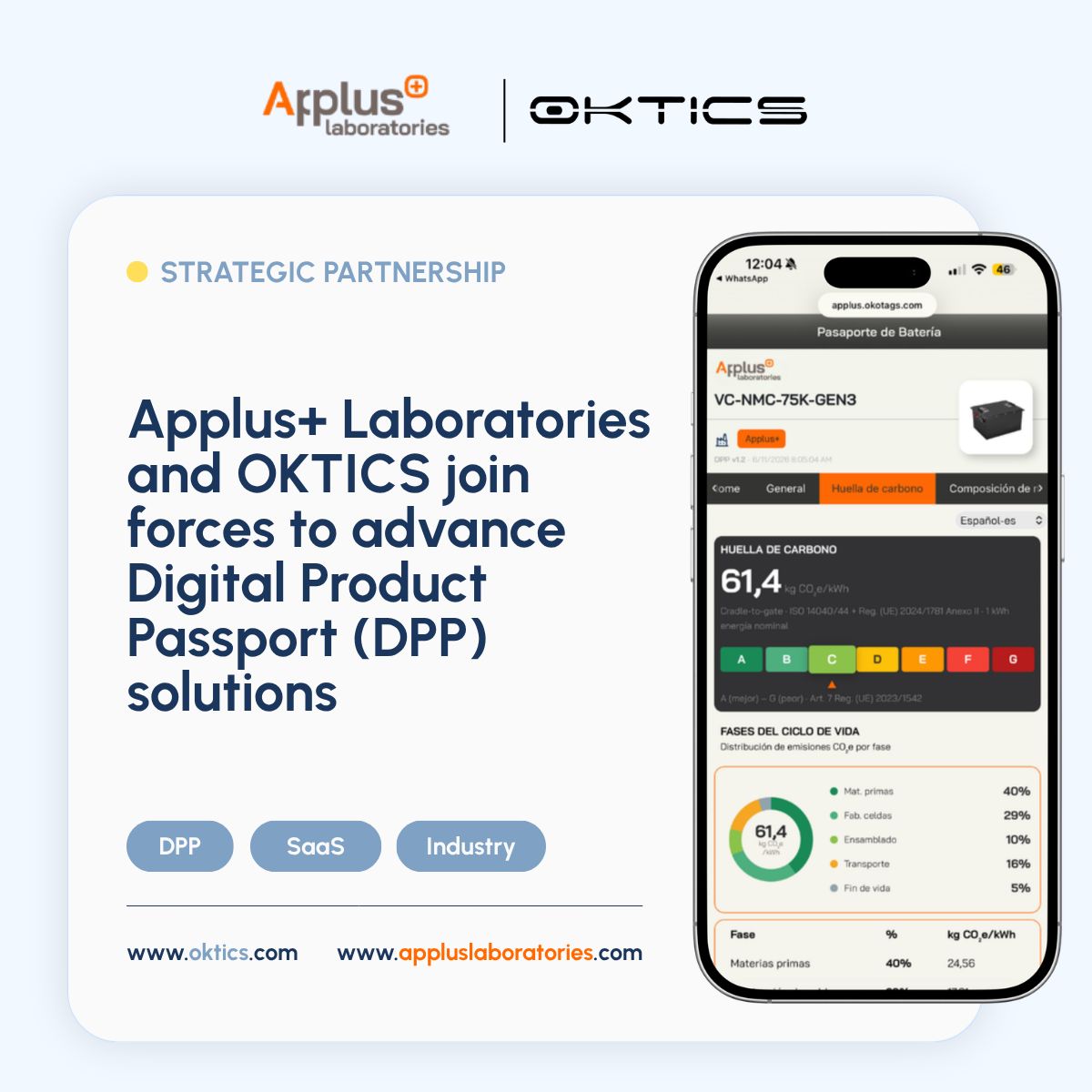
The DPP for batteries and textiles becomes mandatory across the EU
10+ industrial sectors affected
No DPP, no access to the European market
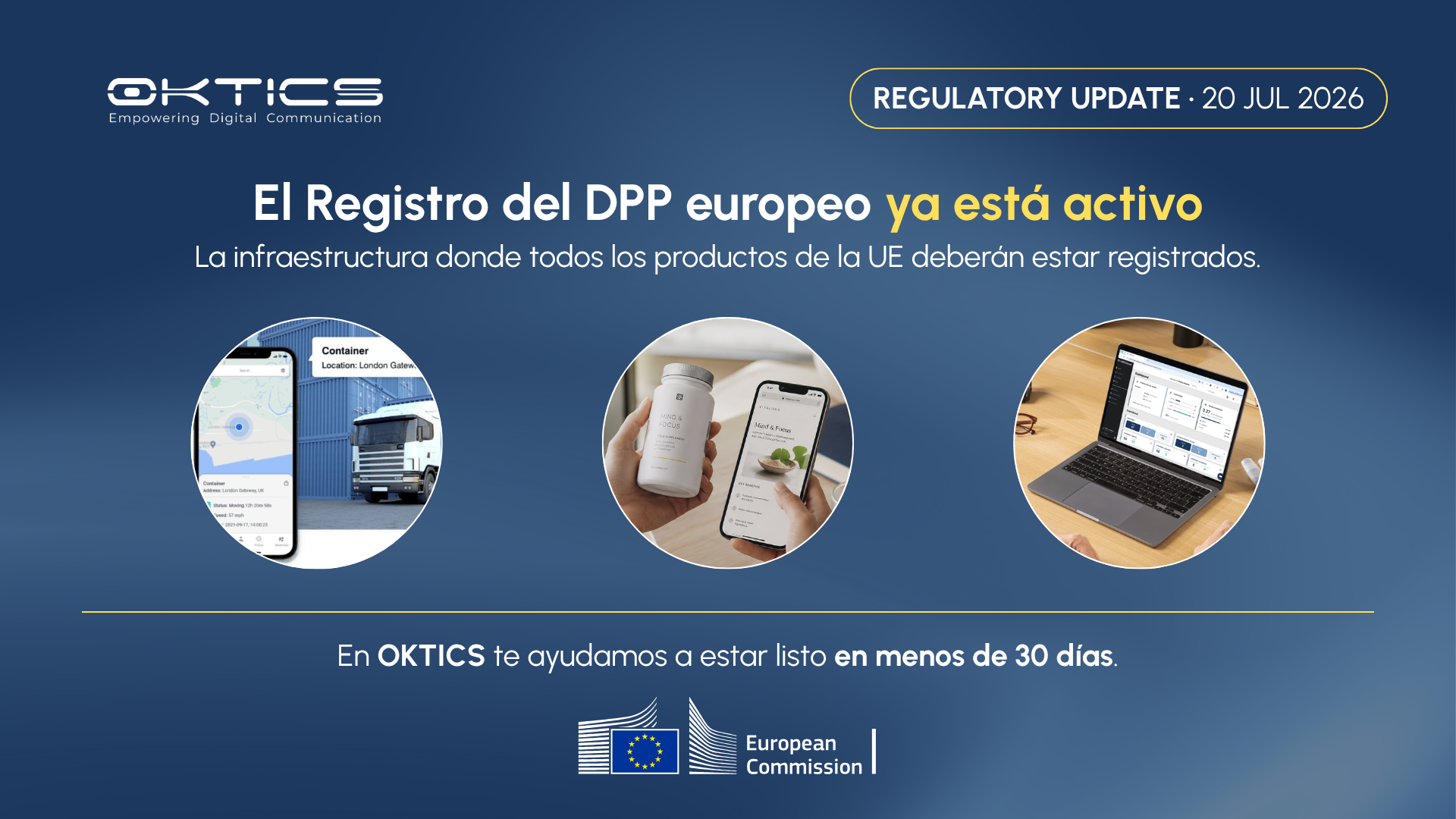
OKTICS activates it in less than 30 days
85% of companies are still not prepared
The DPP in numbers

The urgency is real

85%
of companies are still not prepared to comply with the DPP
02/27
mandatory deadline for batteries and textiles in the EU
10+
industrial sectors affected by the ESPR Regulation
Regulatory impact

How does the DPP affect your business?

Three key questions every business, product and sustainability manager must answer before the obligation arrives.

If your company manufactures, imports, distributes or sells products in the European market, the DPP directly affects you. The Ecodesign for Sustainable Products Regulation (ESPR) requires a unique digital identifier with verifiable information on traceability, materials and sustainability. Products without a compliant DPP will lose access to the European market. According to industry data, 85% of companies are still not prepared, which means acting now is a real competitive advantage.

The answer is now. The DPP for batteries and textiles becomes mandatory in February 2027. Although it may seem like enough time, preparing your company requires months of work on data, system integration and internal processes. Organizations that start today will be better positioned to lead the change and comply without urgency.

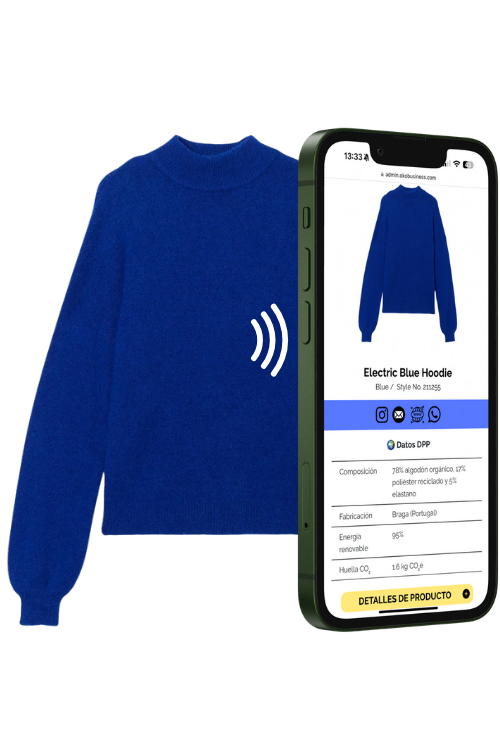
The DPP requires product information digitally accessible through a unique identifier (QR, NFC or RFID) linked to each unit or batch. There is a public view — identification, CE marking, regulations — and a private view for authorities and manufacturers with full traceability. OKTICS offers this infrastructure already operational and activates it in less than 30 days.

Affected sectors

Is your sector on the list?

All organisations that manufacture, import, distribute or sell products in the European market will need to adapt. DPPs will be key to driving the circular economy.

🔋

Batteries

👗

Textiles

💻

Electronics

🏗️

Construction

🪑

Furniture

🧴

Cosmetics

🧸

Toys

🛢️

Lubricants

⚙️

Tyres

🧼

Detergents
The DPP in perspective

Beyond compliance

The DPP is not just a regulatory requirement. It is a strategic opportunity to build trust, improve circularity and gain a competitive advantage in a data-driven market.

Companies that act before 2027 won’t just comply — they will lead the change.

Regulatory content

What information must the DPP include?

The ESPR defines the data categories each DPP must contain. Its implementation requires collaboration across the entire supply chain.

01
Product identification
Name, model, serial number and unique identifiers linking the physical product to its digital record.
02
Materials & composition
All materials used: origin, availability of critical resources and material flows throughout the lifecycle.
03
Environmental impact
Carbon footprint, material footprint and any other measurable environmental impact throughout the lifecycle.
04
Repairability & spare parts
Availability of spare parts, component compatibility, modularity and disassembly instructions.
05
Reuse & recycling
How materials can be reused, remanufactured or recycled. Clear circularity guidelines.
06
Certifications & warranties
Verified sustainability certifications, warranty information and maintenance history.
07
Product lifecycle
Description of all stages: raw materials, production, distribution, use and end of life.
08
Product design
Technical design specifications: dimensions, tolerances and characteristics defining functionality.
Beyond compliance

The DPP as a strategic opportunity

What regulation requires, brands can turn into an advantage: differentiate, build loyalty and generate trust.

Regulatory calendar

The EU legislative roadmap

The ESPR establishes a clear and progressive timeline. Knowing the dates is the first step to planning the transition with enough time.

2024
CompletedESPR Regulation enters into force across the EU
2025
OngoingTechnical definition and ESPR Work Plan 2025–2030
02/27

MandatoryDPP for Batteries and Textiles/Apparel

Next
2027
PlannedTyres, Iron, Steel and Aluminium
2028
PlannedFurniture and intermediate products
+2029
FutureElectronics, Cosmetics, Toys and more
OKTICS Solution

How OKTICS implements it

Since 2019, OKTICS connects traceability, communication and data. Four steps to have your DPP operational in less than 30 days.
Ready to get started?

Turn the DPP into a competitive advantage

The 2027 deadline may seem far away, but preparing your brand takes time. Our experts are ready to help you build your DPP roadmap today.