The new Packaging Regulation: what applies now and what comes next
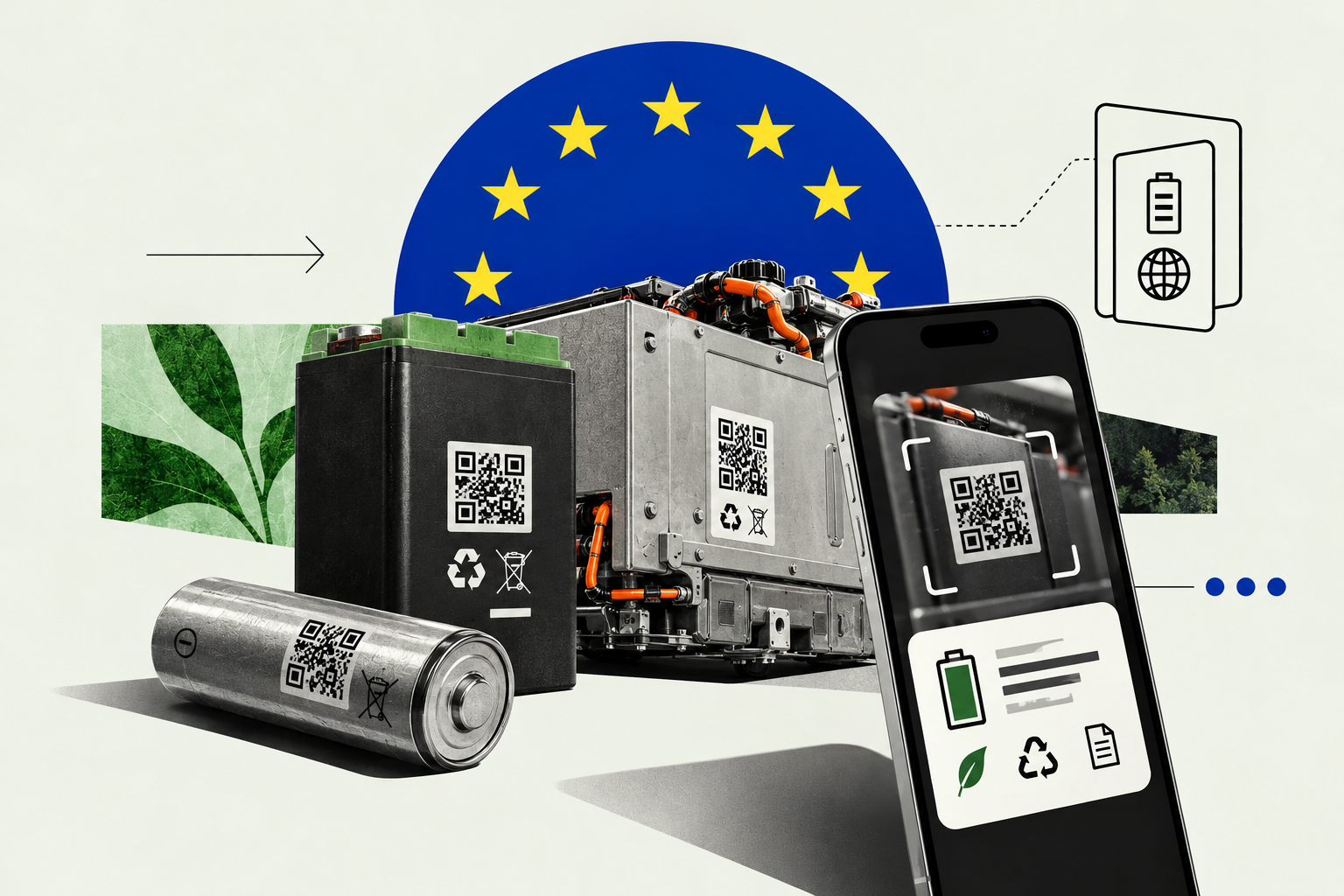
The new EU Packaging Regulation already applies, but its big visible change, harmonised labelling, is still to come. Understanding what to do now and what can wait avoids unnecessary reprints and opens the door to something more interesting: packaging that is also an information channel.
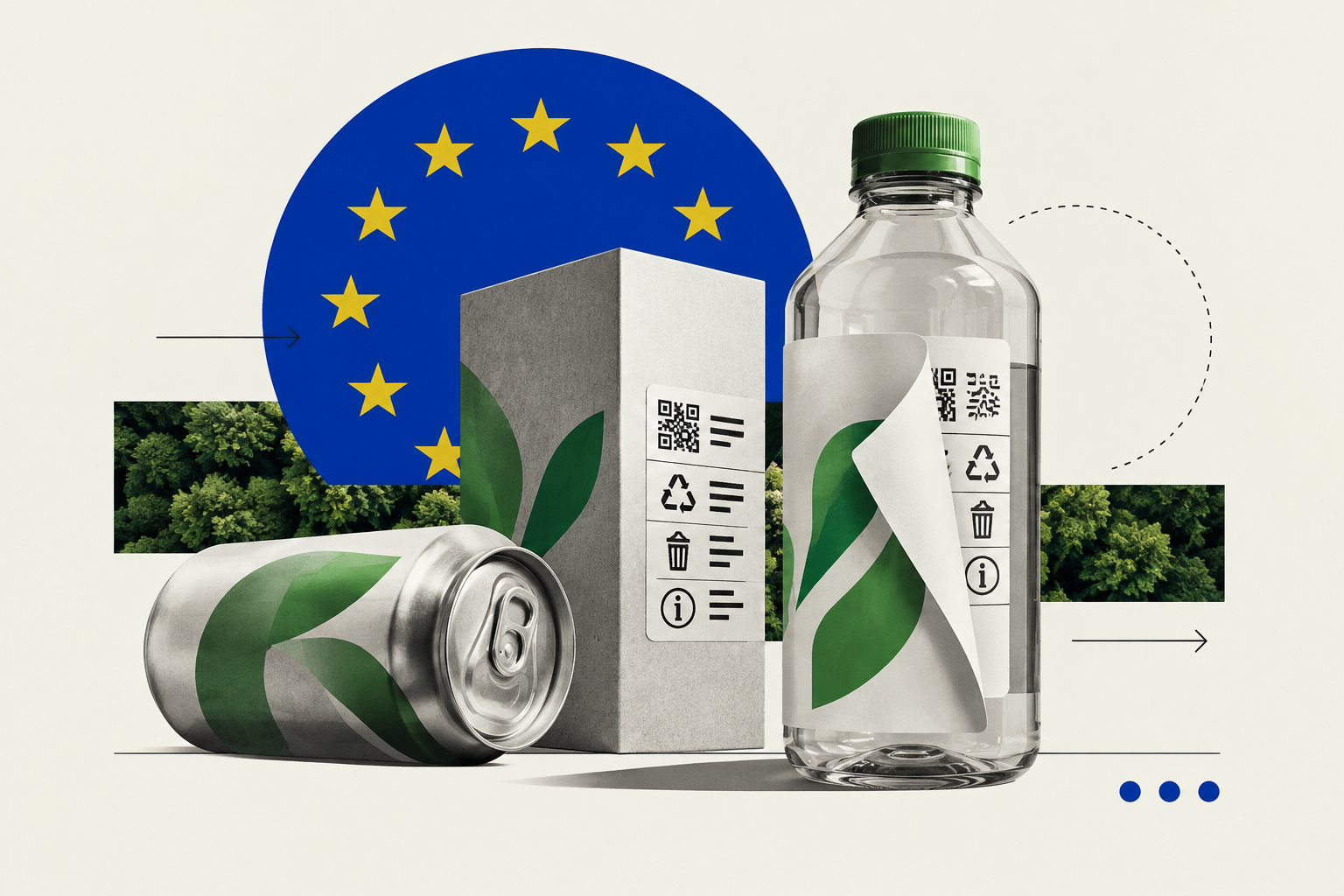
What is the PPWR?
Regulation (EU) 2025/40 on packaging and packaging waste, known as the PPWR, replaces the 27 national frameworks that existed until now with a single set of rules that apply directly in every Member State. It has applied since 12 August 2026, and its obligations will be phased in until 2040: recyclability, recycled content, minimisation, reuse and labelling.
It affects manufacturers, brands, importers and distributors placing packaging on the EU market, including e-commerce packaging.
What already applies since August 2026
The first obligations are not visible on the packaging, but in the file behind it:
- EU declaration of conformity for each type of packaging placed on the market.
- Conformity assessment and technical documentation demonstrating compliance with the applicable requirements.
- Packaging identification: each unit must allow its type and batch number to be identified.
In August 2026 your packaging can still look the same as always. What has to be in order is the documentation behind it.
- EU declaration of conformity
- Technical documentation
- Type and batch identification
- Harmonised material label
- Label and QR on reusable packaging (2029)
- Official designs not yet published
The labelling timeline
The harmonised labels under Article 12 depend on implementing acts that the European Commission has yet to publish. Deadlines start counting from those acts, so the dates below are the earliest possible:
Extended producer responsibility (EPR) information can be provided via QR code or another digital data carrier.
Harmonised, pictogram-based material composition label to make waste sorting easier. It can be accompanied by a QR code showing where each component should go.
Reusable packaging must carry a label and a QR code or equivalent data carrier with information on the reuse system, collection points and rotation tracking.
The regulation also provides a three-year period to sell off packaging made before each deadline, and will ban symbols that could mislead about sorting or recyclability once harmonised labelling exists. Meanwhile, national marking rules remain in force; in Spain, those of Royal Decree 1055/2022.
Why connected packaging will be at the centre
The PPWR confirms something we already saw coming: physical packaging doesn't have room for all the information it is asked to carry. Composition, sorting instructions, reuse, substances, languages for each market… The regulation's own answer is the digital data carrier.
A single QR code or NFC tag can do several jobs at once:
- Compliance: recycling, composition and EPR information in each country's language.
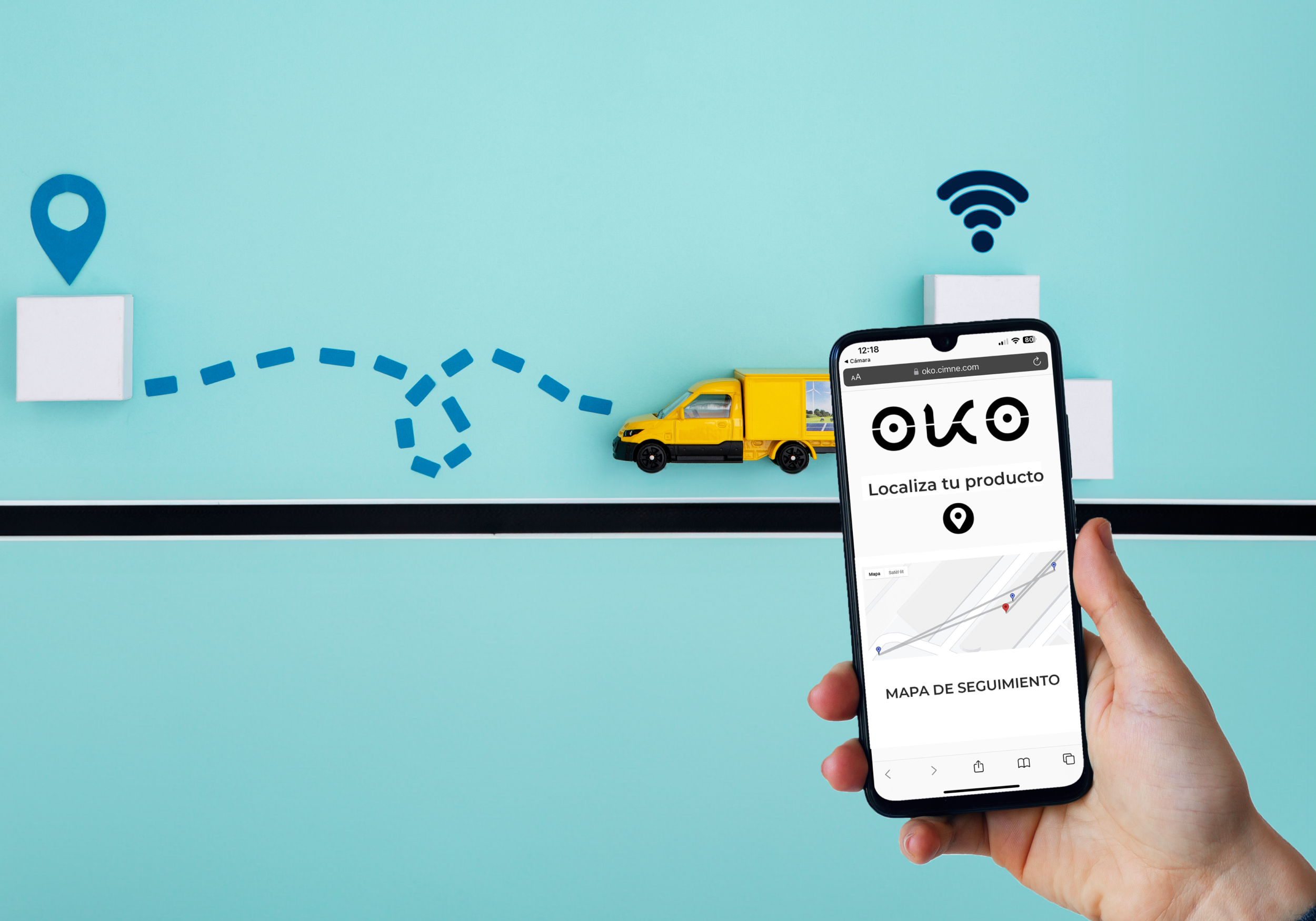
- Reuse: identify each package and record its rotations with OKO Logistics.
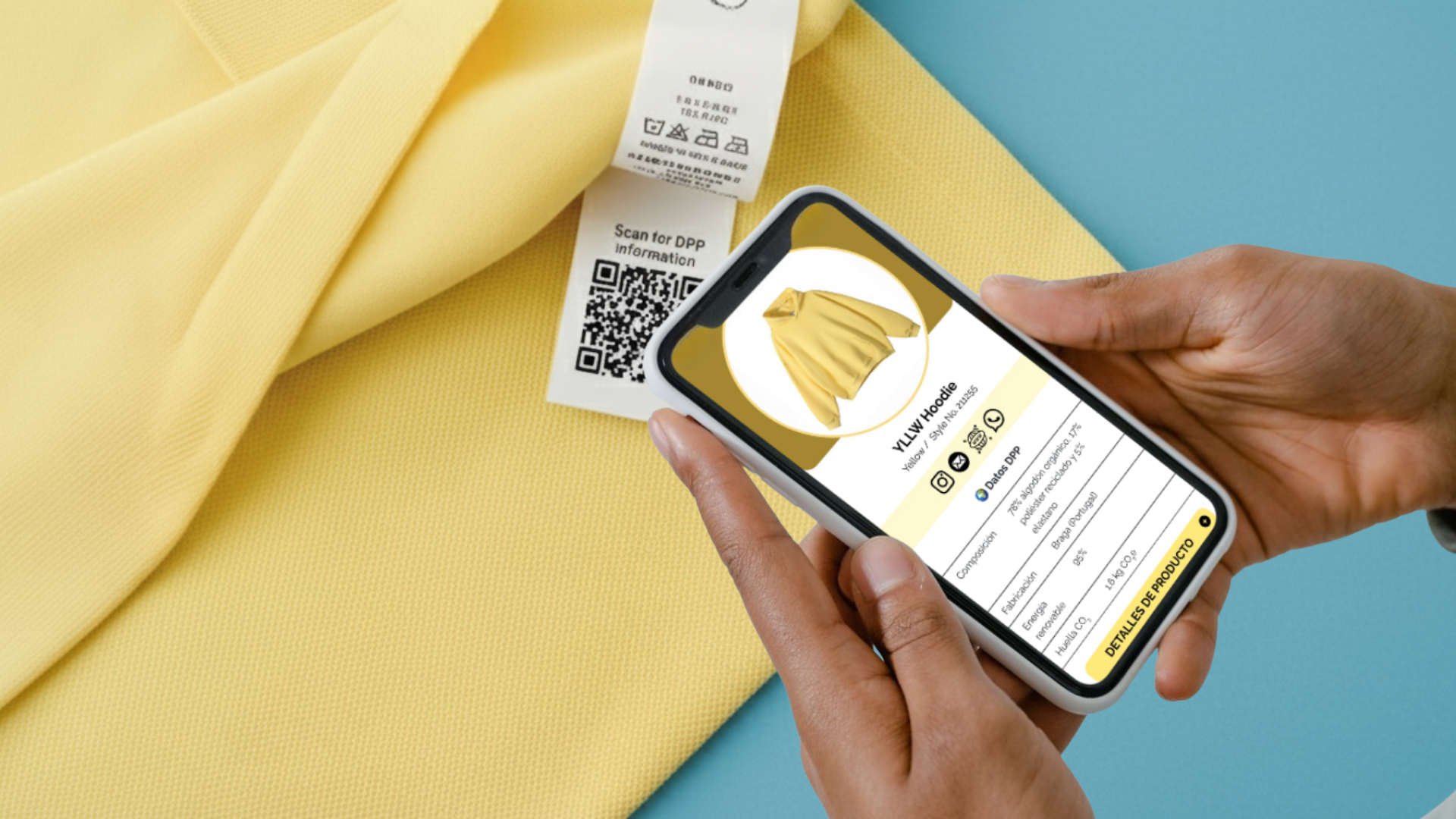
- Digital Product Passport: the same carrier can give access to the DPP when the product requires it.
- Brand experience: content, recipes, warranties or loyalty programmes with OKO Experience.
- Data: know where and when each product is scanned with OKO Analytics.
The key is that content is managed from a platform rather than printed: if a requirement changes, the information is updated without touching the packaging. That is the logic of connected packaging.
What to do now
- Get your documentation in order. The declaration of conformity and technical documentation have been required since August 2026.
- Don't reprint for labelling yet. The official designs don't exist yet; wait for the implementing acts.
- Make room for the digital carrier. In your next redesigns, plan where the QR code or NFC tag will go.
- Review your symbols and claims. Remove arrows and recyclability messages you can't justify.
- Choose a platform, not just a code. A static QR code falls short; you need to be able to update content and measure.
Get your packaging ready for what's next
Connect your packaging with a single label for compliance, traceability and brand experience.
Let's talkSources
This article is for information purposes only and does not constitute legal advice. Information updated October 2026.
El calendario del etiquetado
Las etiquetas armonizadas del artículo 12 dependen de unos actos de ejecución que la Comisión Europea todavía tiene que publicar. Los plazos empiezan a contar desde ellos, así que las fechas siguientes son las más tempranas posibles:
La información sobre responsabilidad ampliada del productor (RAP) se puede ofrecer mediante QR u otro soporte digital.
Etiqueta armonizada de composición de materiales, basada en pictogramas, para facilitar la separación de residuos. Puede acompañarse de un QR con el destino de cada componente.
Los envases reutilizables deberán llevar etiqueta y un QR o soporte de datos equivalente con información sobre el sistema de reutilización, los puntos de recogida y el seguimiento de rotaciones.
Además, el reglamento prevé un periodo de tres años para dar salida a los envases fabricados antes de cada plazo, y prohibirá símbolos que puedan confundir sobre la separación o la reciclabilidad una vez exista el etiquetado armonizado. En España, mientras tanto, siguen vigentes las obligaciones de marcado del Real Decreto 1055/2022.
Por qué el envase conectado va a estar en el centro
El PPWR consolida algo que ya se veía venir: el envase físico no tiene espacio para toda la información que se le pide. Composición, instrucciones de separación, reutilización, sustancias, idiomas de cada mercado… La solución que propone el propio reglamento es el soporte digital.
Un mismo QR o una etiqueta NFC puede servir para varias cosas a la vez:
- Cumplimiento: información de reciclaje, composición y RAP en el idioma de cada país.
- Reutilización: identificar cada envase y registrar sus rotaciones con OKO Logistics.
- Pasaporte Digital de Producto: el mismo soporte puede dar acceso al DPP cuando el producto lo requiera.
- Experiencia de marca: contenidos, recetas, garantías o fidelización con OKO Experience.
- Datos: saber dónde y cuándo se escanea cada producto con OKO Analytics.
La clave es que el contenido se gestione desde una plataforma y no esté impreso: si cambia un requisito, se actualiza la información sin tocar el envase. Es la lógica del packaging conectado.
Qué hacer ahora
- Pon en orden la documentación. Declaración de conformidad y documentación técnica son exigibles desde agosto de 2026.
- No reimprimas por el etiquetado todavía. Los diseños oficiales aún no existen; espera a los actos de ejecución.
- Reserva espacio para el soporte digital. En los próximos rediseños, prevé dónde irá el QR o la etiqueta NFC.
- Revisa tus símbolos y alegaciones. Elimina flechas y mensajes de reciclabilidad que no puedas justificar.
- Elige una plataforma, no solo un código. Un QR estático se queda corto; necesitas poder actualizar contenidos y medir.
Prepara tus envases para lo que viene
Conecta tus envases con una sola etiqueta para cumplimiento, trazabilidad y experiencia de marca.
HablemosFuentes
Este artículo tiene carácter informativo y no constituye asesoramiento jurídico. Información actualizada a octubre de 2026.