The end of greenwashing: what changes with the new EU directive
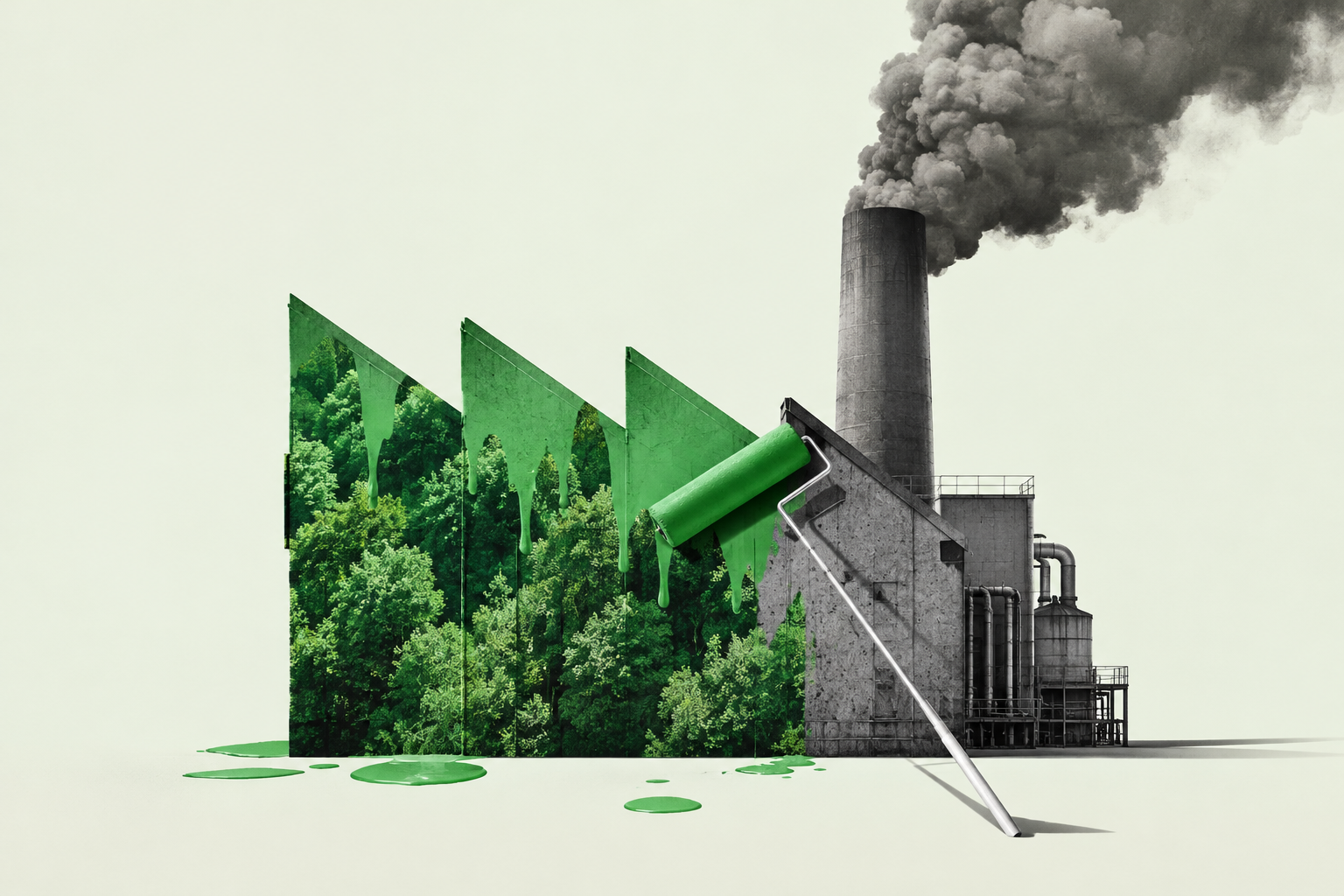
Since 27 September 2026, calling a product "sustainable", "green" or "eco" is no longer enough. The European Union now requires every environmental claim to be provable, and the strongest way to do that is with specific data that consumers can easily access.
What has changed
Directive (EU) 2024/825, known as the Empowering Consumers for the Green Transition Directive (EmpCo or ECGT), has applied across the EU since 27 September 2026, with no transition period. It amends EU rules on unfair commercial practices and consumer rights, and turns greenwashing into a sanctionable unfair practice.
It affects any company communicating environmental attributes to EU consumers: on packaging, labels, websites, social media, catalogues or advertising.
What you can no longer say (without proof)
- Generic claims. Terms such as "environmentally friendly", "eco", "green" or "climate friendly" are banned unless the company can demonstrate recognised excellent environmental performance.
- Applying to the whole product what only applies to part of it. If only the packaging has improved, the product as a whole cannot be presented as sustainable.
- "Carbon neutral" through offsetting. Climate-neutrality claims based on offsetting emissions outside the product's own value chain are banned.
- Self-made sustainability labels. Only labels based on a certification scheme with independent verification, or established by a public authority, are allowed.
- Future promises without a plan. Commitments such as "neutral by 2030" must come with a detailed, realistic implementation plan monitored by an independent third party.
- Presenting legal requirements as an advantage. Highlighting as a differentiator something that is mandatory for all products in the category is also considered misleading.
What about Spain?
Spain had to transpose the directive by 27 March 2026 through its future Sustainable Consumption Act (Ley de Consumo Sostenible), which is still going through the legislative process at the time of writing. The delay does not protect companies: authorities and courts can take the directive into account when applying existing rules on commercial practices and unfair competition.
The Spanish consumer sanctions regime provides for fines of up to €1 million for very serious infringements, or up to 4% of turnover when the infringement affects consumers in several EU countries.
The underlying shift is simple: from claiming to proving. And proving requires reliable, specific and easy-to-access data.
Where the Digital Product Passport fits in
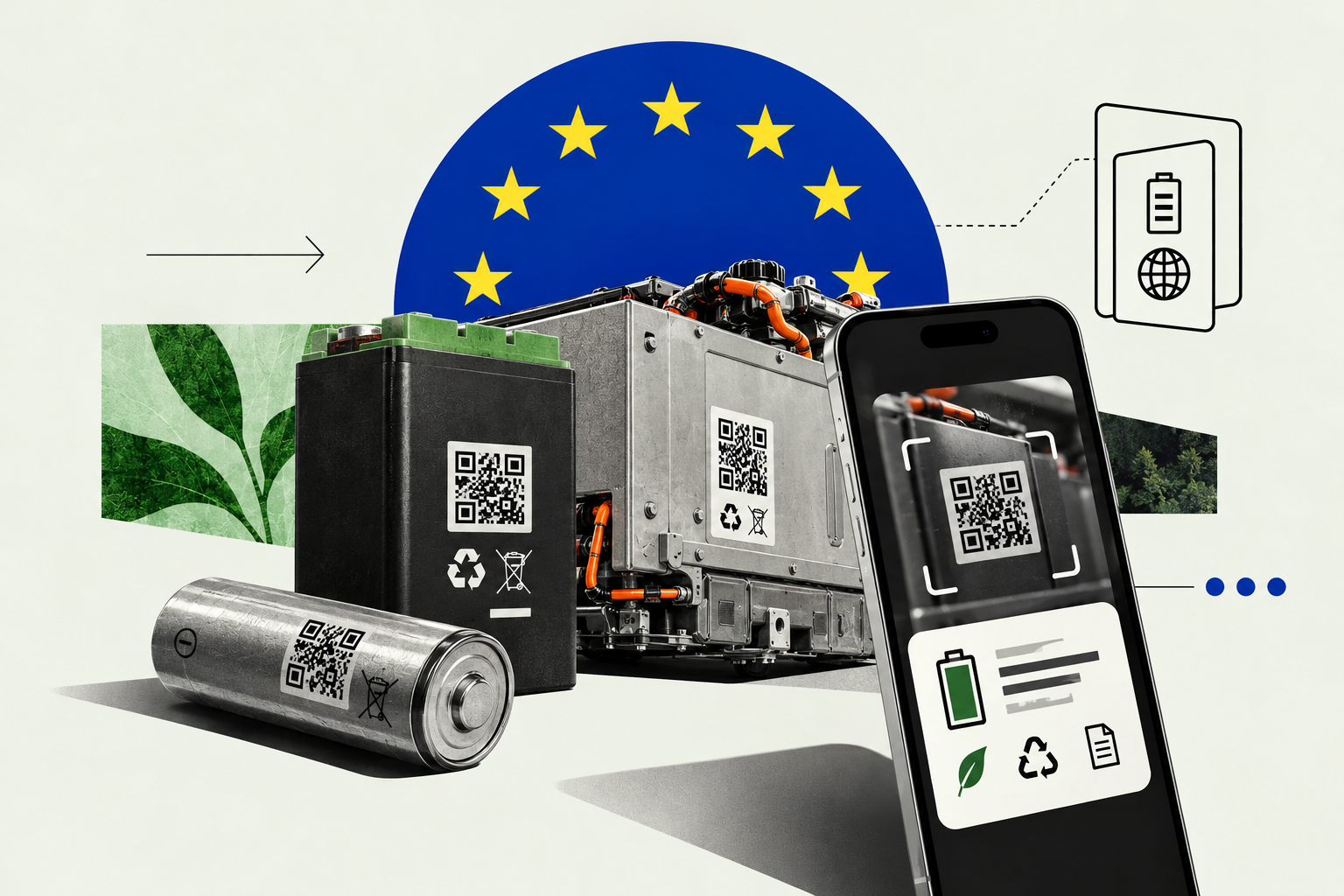
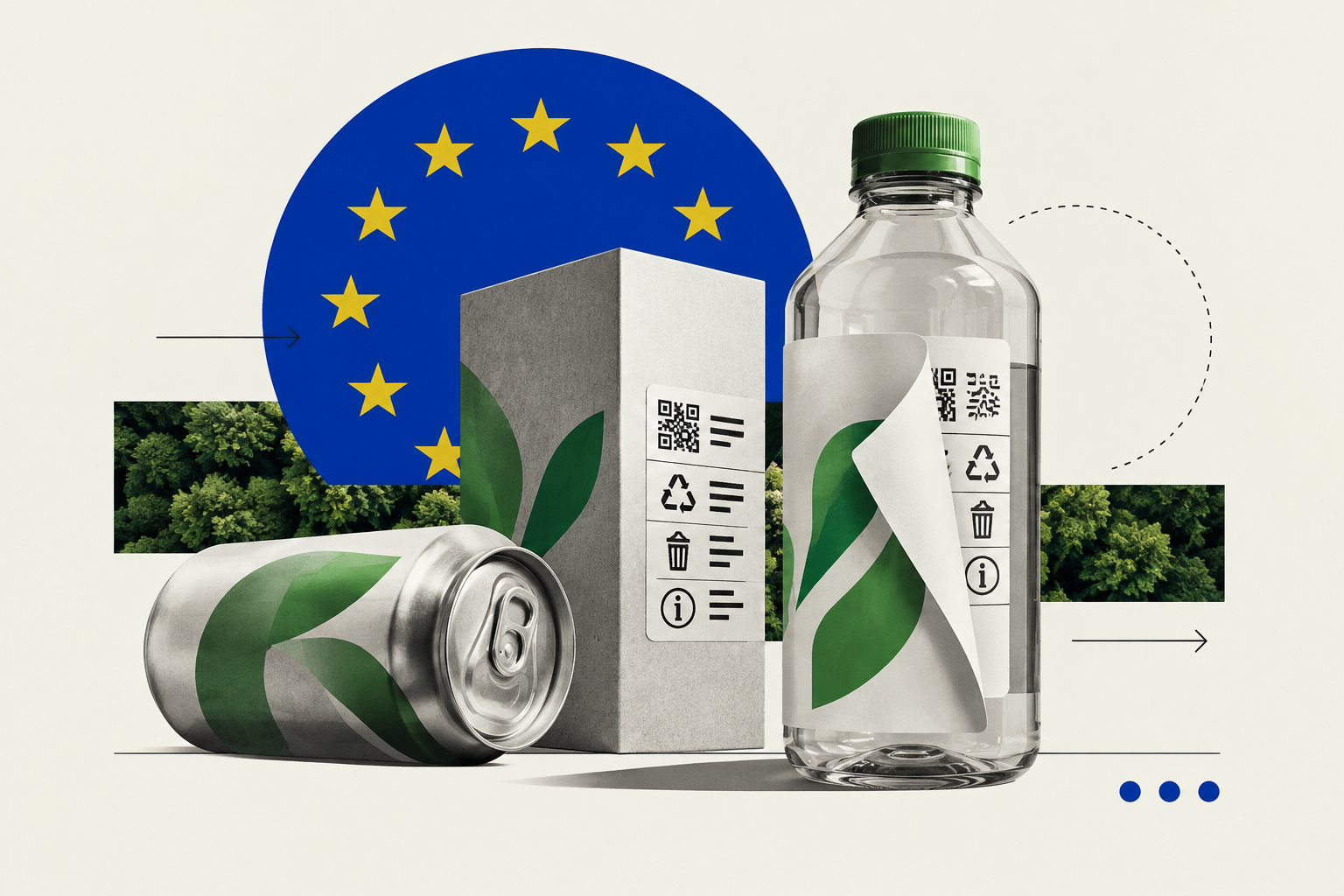
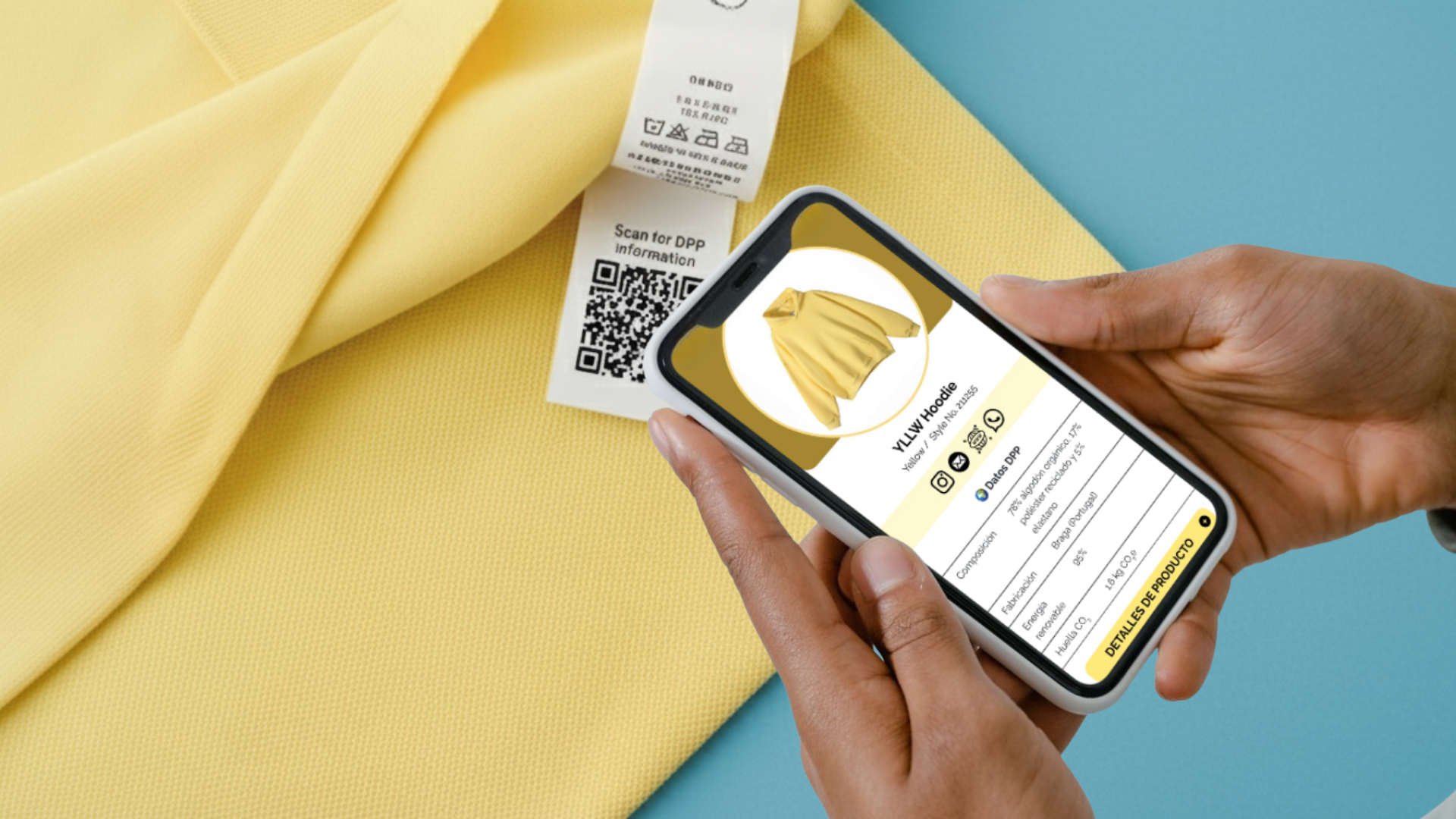
The directive requires claims to be specific and verifiable. That is where a connected label or a Digital Product Passport (DPP) makes the difference: each unit carries a QR code or NFC tag giving access to the information that backs up what the brand communicates.
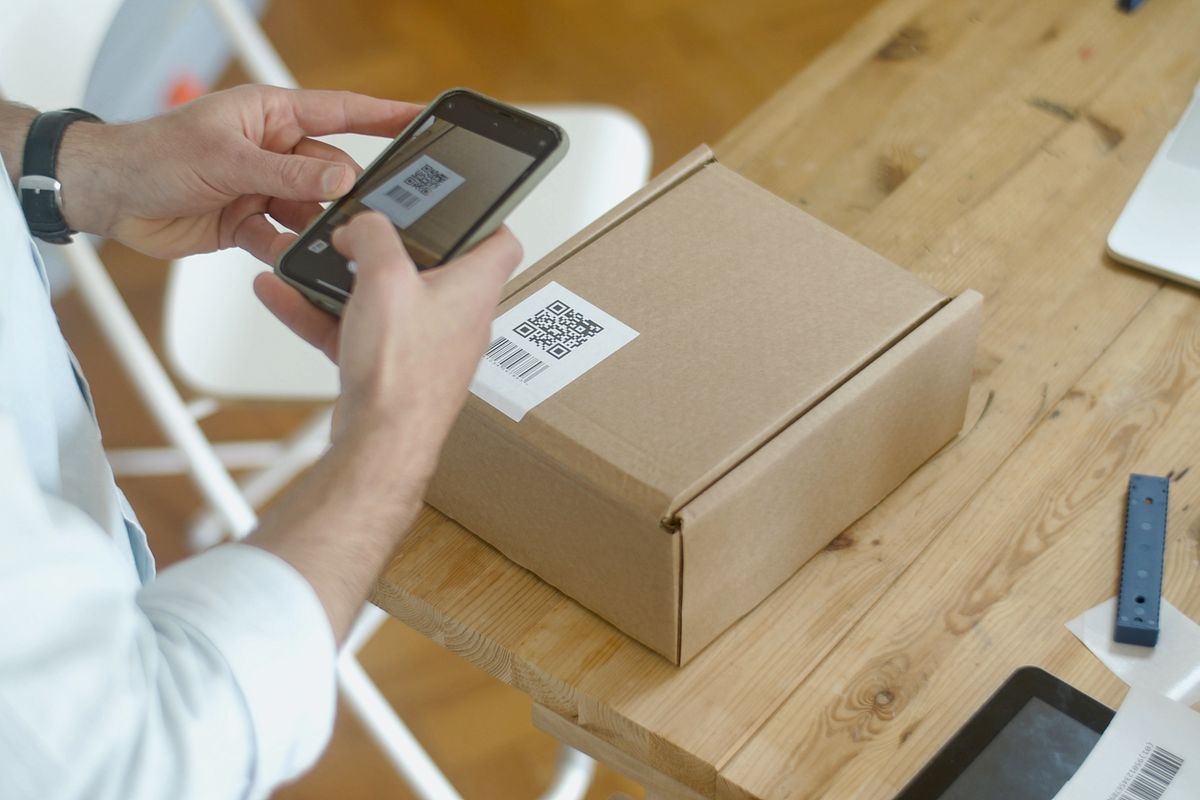
What a connected label can show
- Composition and origin of materials, with real percentages of recycled content.
- Valid certifications (for example GOTS, FSC or the EU Ecolabel), linked to their source.
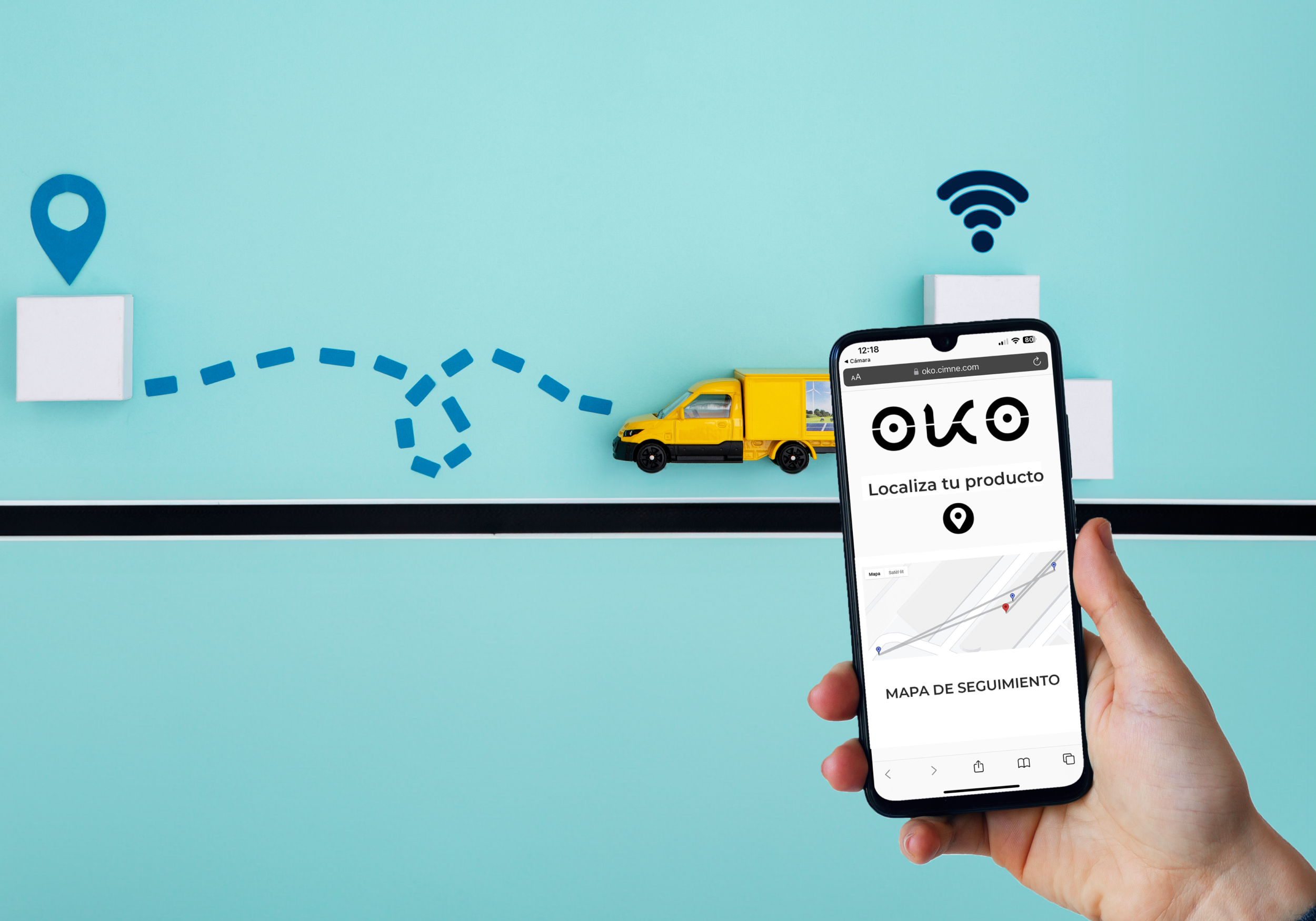
- Traceability of the product by batch or by unit along the supply chain.
- Durability, repair and end of life: care instructions, spare parts and how to recycle it.
- Footprint or environmental indicators calculated with an explicit methodology.
An important nuance: the specific claim must still be clear on the packaging or advert itself. The connected label does not replace that clarity; it complements it with the detail and evidence that don't fit on the pack. It also prepares the brand for the DPP that the Ecodesign Regulation (ESPR) will require product category by product category.
With OKO Identity, every product has a unique digital identity managed from OKOCloud, where the brand updates data, certificates and documentation without reprinting labels.
Five steps to review your environmental claims
- Take inventory. Gather every environmental claim on packaging, labels, website, social media, product sheets and sales material.
- Remove generic claims. Replace "sustainable" or "eco" with specific data, or drop them.
- Review labels and offsetting. Check that each label has independent certification and remove neutrality messages based on offsetting.
- Document the evidence. Link each claim to its proof: certificate, analysis, supplier data or report.
- Make it accessible. Connect that evidence to the product with a QR code or NFC tag so consumers, retailers and authorities can check it.
Turn your claims into verifiable data
We help you connect every product with the information that proves what you communicate.
Let's talkSources
- Directive (EU) 2024/825, official text on EUR-Lex
- European Outdoor Group: the Commission updates its Q&A on the directive (May 2026)
- Anthesis: the EmpCo Directive, what it requires and from when
- Corresponsables: the anti-greenwashing directive and Spain's transposition delay (in Spanish)
- Corresponsables: sanctions and claims such as "sustainable" (in Spanish)
- Cuatrecasas: Spain's draft Sustainable Consumption Act (in Spanish)
This article is for information purposes only and does not constitute legal advice. Information updated October 2026.