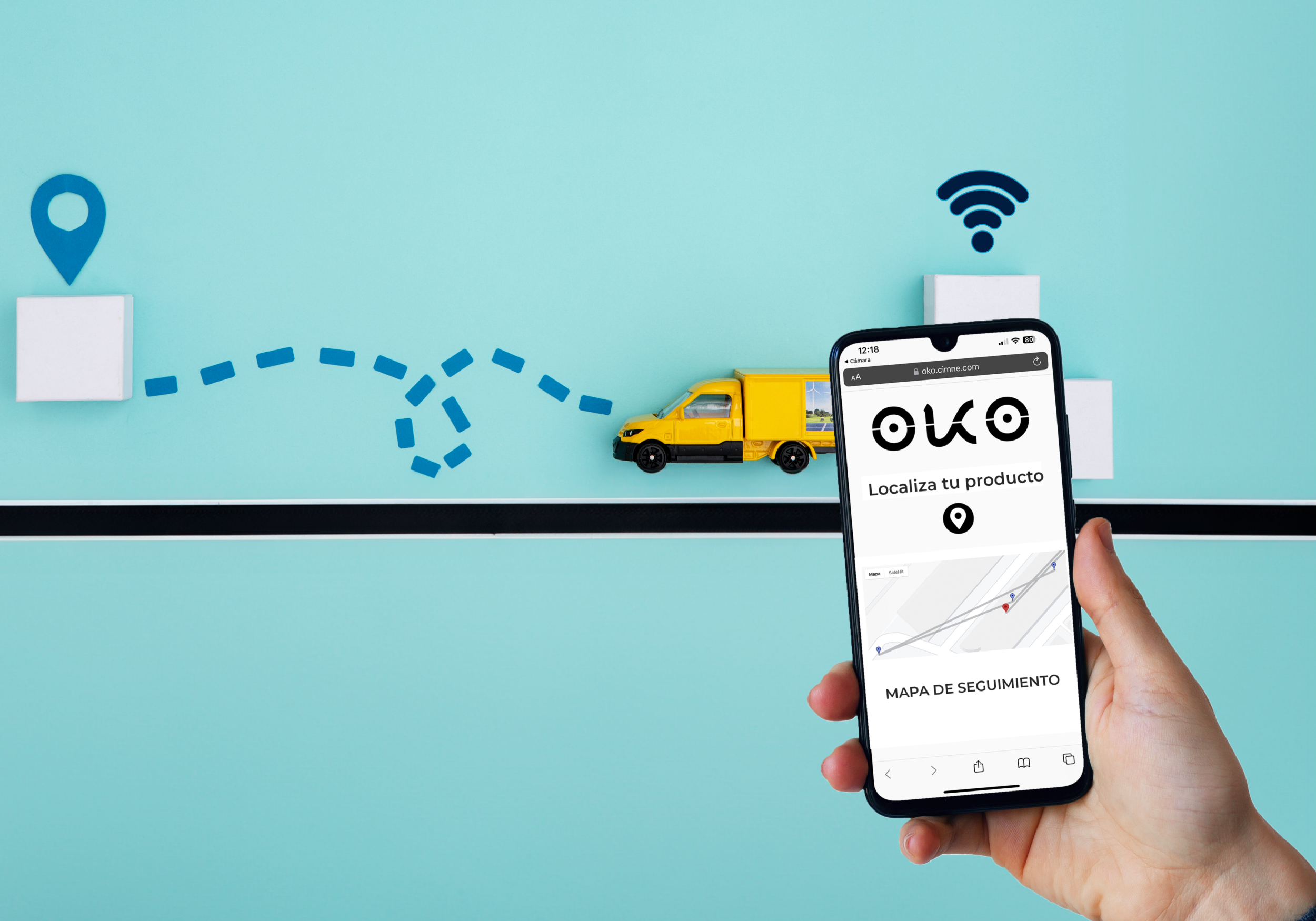
What is the Digital Product Passport and when is it mandatory in the EU?
What is the Digital Product Passport and when is it mandatory in the EU?
The Digital Product Passport (DPP) is the most relevant regulatory requirement for European companies with a physical product in 2026. Yet most companies don’t know exactly what it entails, when it affects them or where to start. This article answers these three questions with hard facts.
What is the Digital Product Passport
The DPP is a unique digital identifier linked to each unit of physical product that stores and serves information on its composition, origin, carbon footprint, recycling instructions and supply chain traceability. It is regulated by the European Ecodesign Regulation for Sustainable Products (ESPR), adopted in 2024.
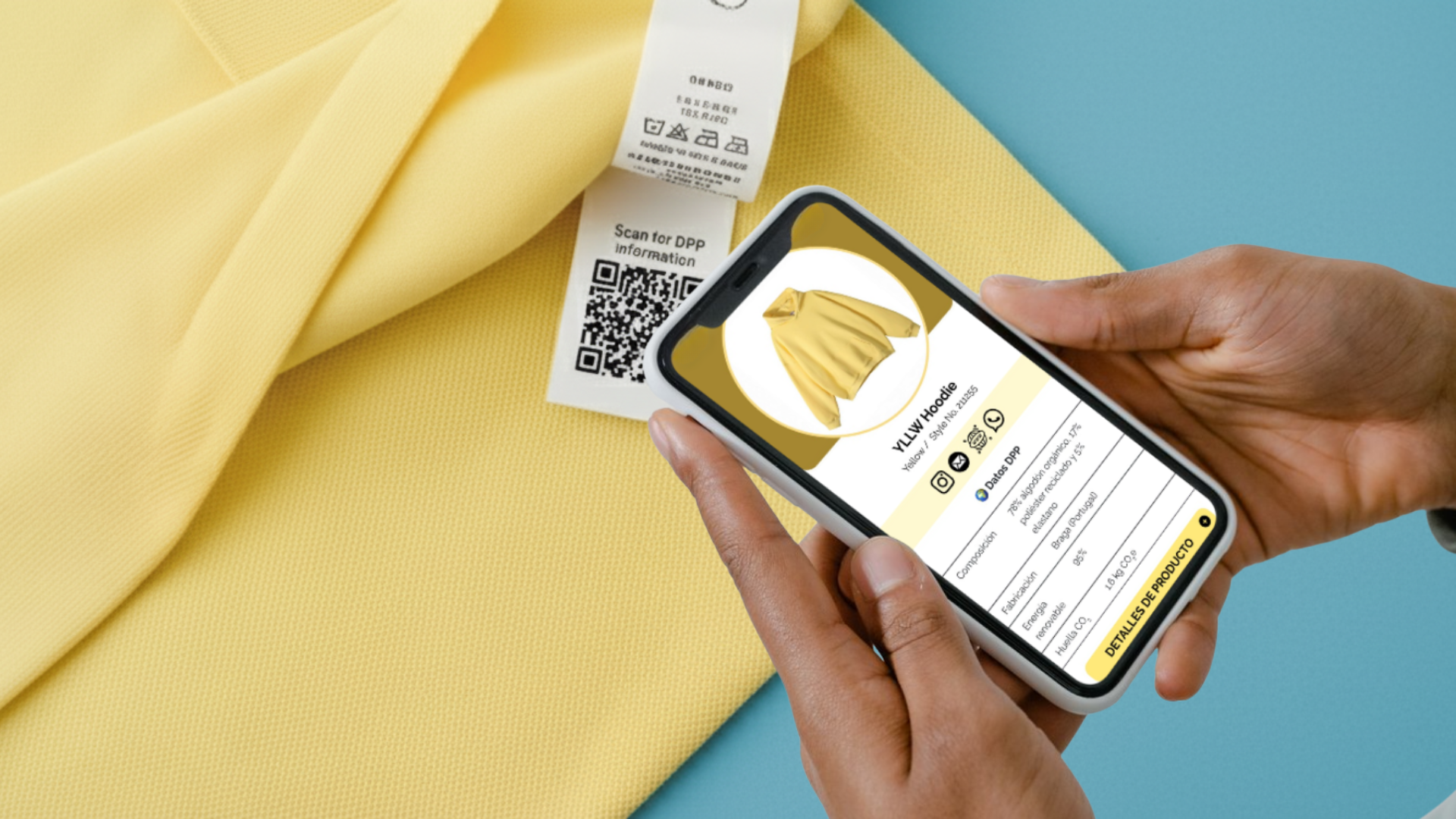
In practice, the DPP is accessible via a QR code, an NFC tag or a Data Matrix attached to the product. When scanned by the consumer, a regulator or an actor in the supply chain, it provides access to all product information in real time, verified and structured according to regulatory requirements.
Mandatory timetable by sector
2026 → Textile and fashion, electronics and batteries, building materials2027 → Cosmetics and personal care, furniture2028-2030 → Remaining consumer product categories.
The regulations do not establish a single date for all sectors. Each category has its own delegated regulation with specific requirements. Companies exporting to the EU – even from outside Europe – are also obliged to comply if they trade on the European market.
What information should the DPP contain
Requirements vary by sector, but the common core of the DPP includes: unique product identifier, composition and materials, verified carbon footprint, disassembly and recycling instructions, applicable certifications, production chain traceability and estimated shelf life.
All this information must be accessible from the physical product itself, not just from the brand’s website. This is where NFC technology provides the most robust solution: the physical identifier on the product links directly to the platform that serves the DPP data in real time.
DPP as a competitive advantage, not just as an obligation
Companies that are proactively implementing the DPP are not just doing it for compliance. They are doing it because the DPP forces them to build the product data infrastructure that the market was already demanding: verifiable transparency, traceability of origin and direct communication with the end consumer.
Brands that implement it before their competitors will have an advantage in public tenders, with distributors who demand traceability and with consumers who prioritize product transparency.
How to implement DPP with NFC
The most widespread architecture for DPP combines an NFC tag on the physical product with a cloud platform that stores and serves the digital passport data. The OKTICS OKO platform is specifically designed for this use case: each OKOTag links the physical product to its dynamic DPP, updatable without changing the packaging.
The implementation process can start with a limited pilot – without modifying production lines – and be scaled up progressively.
👉 Find out how OKTICS implements the Digital Product Passport in your industry.